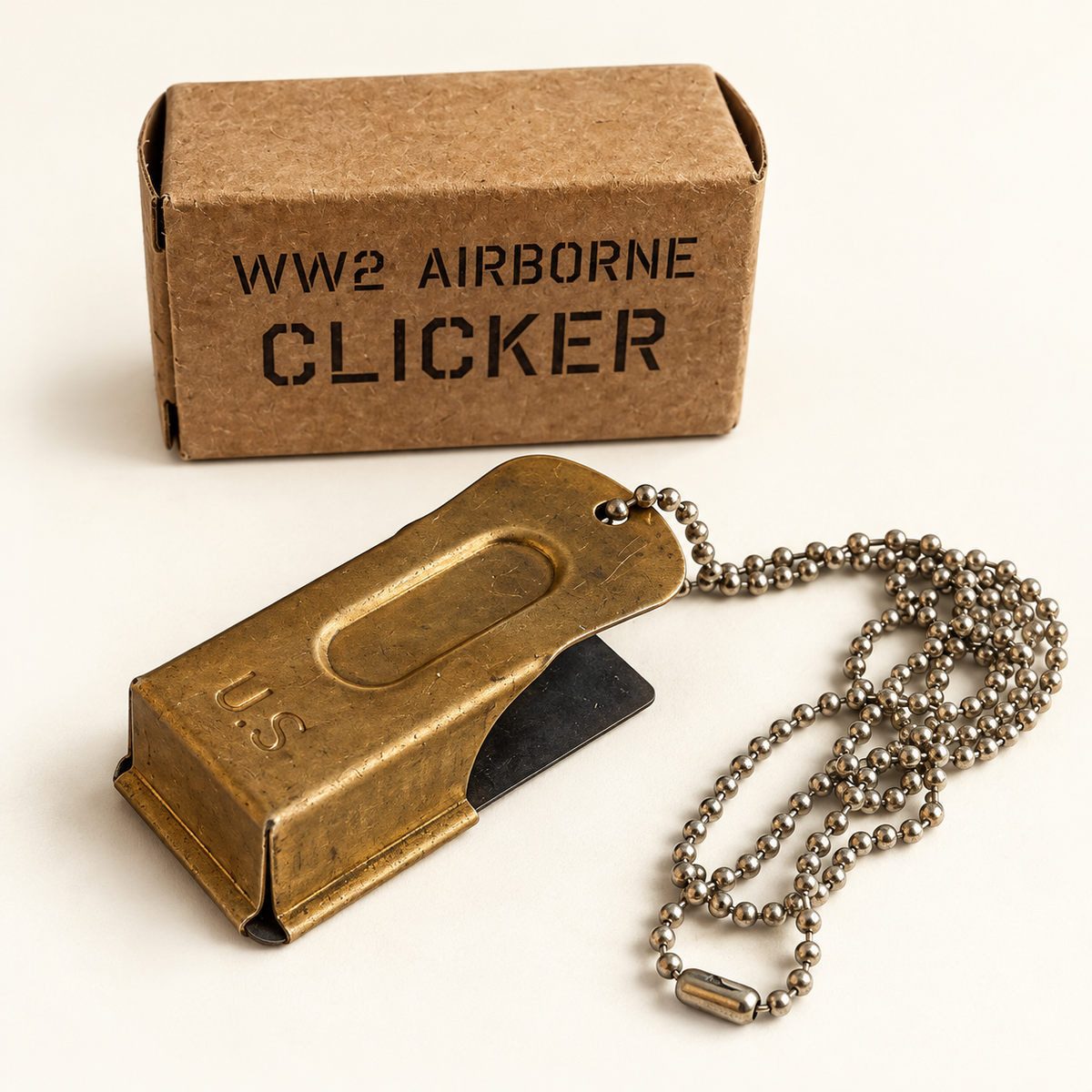
A British-Made Device
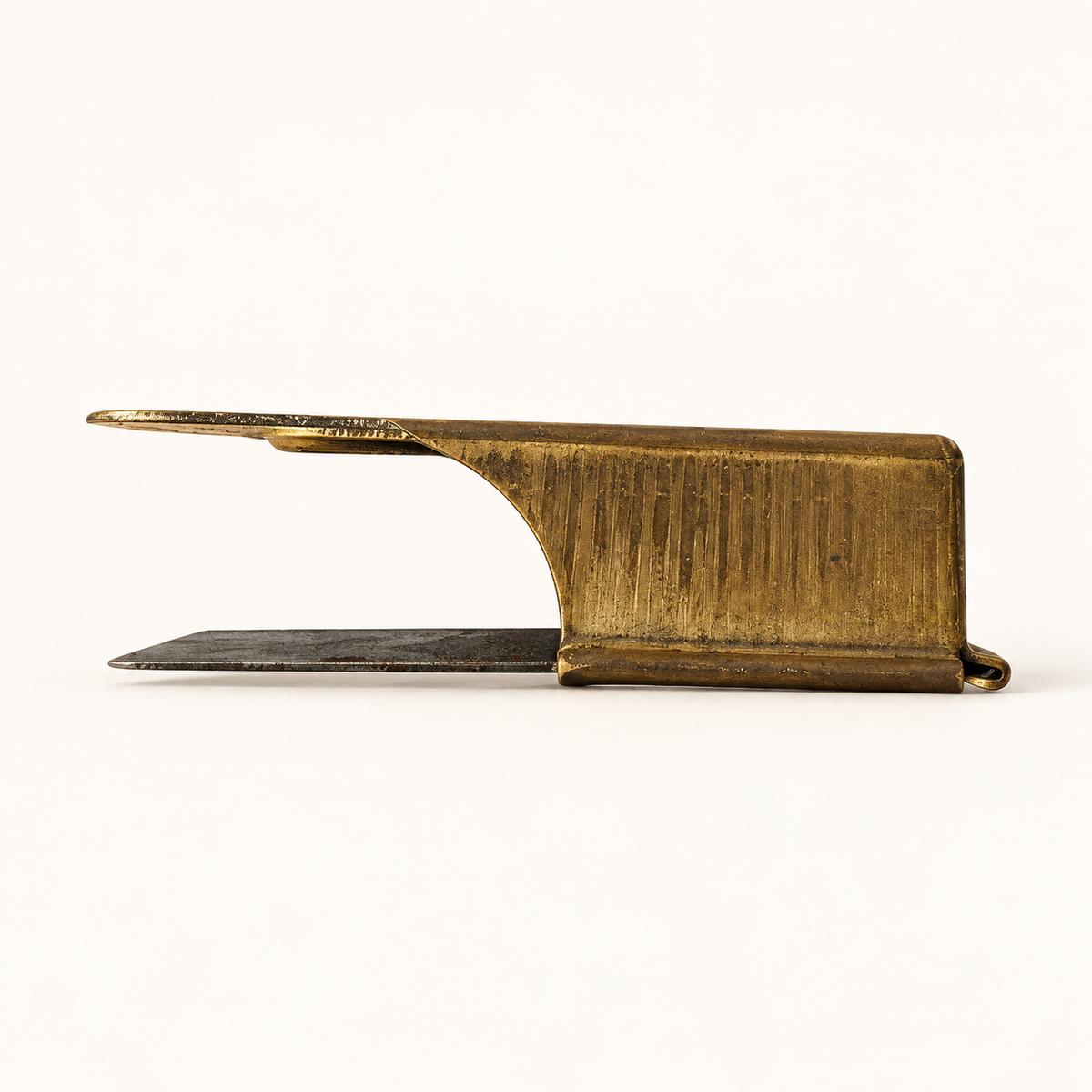
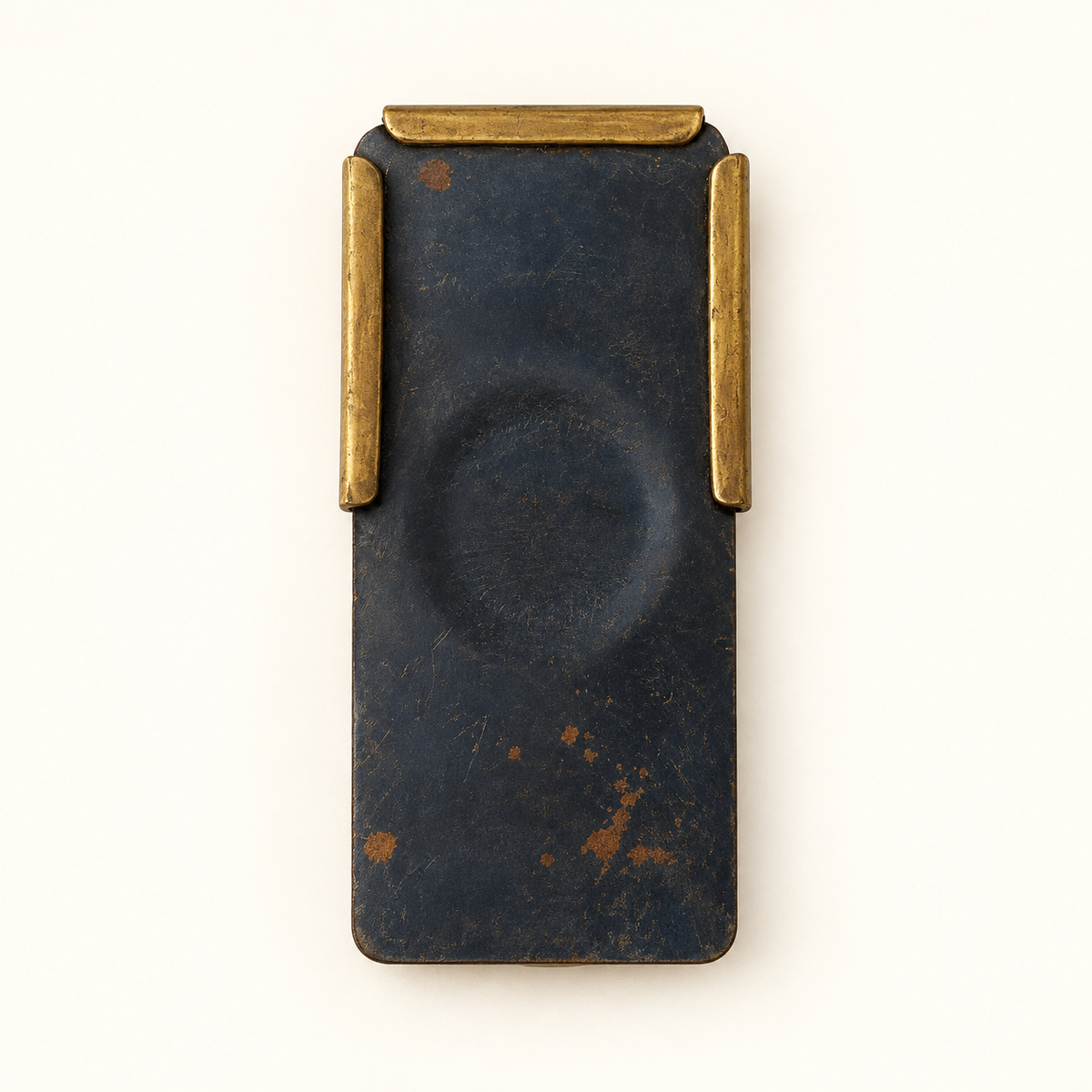
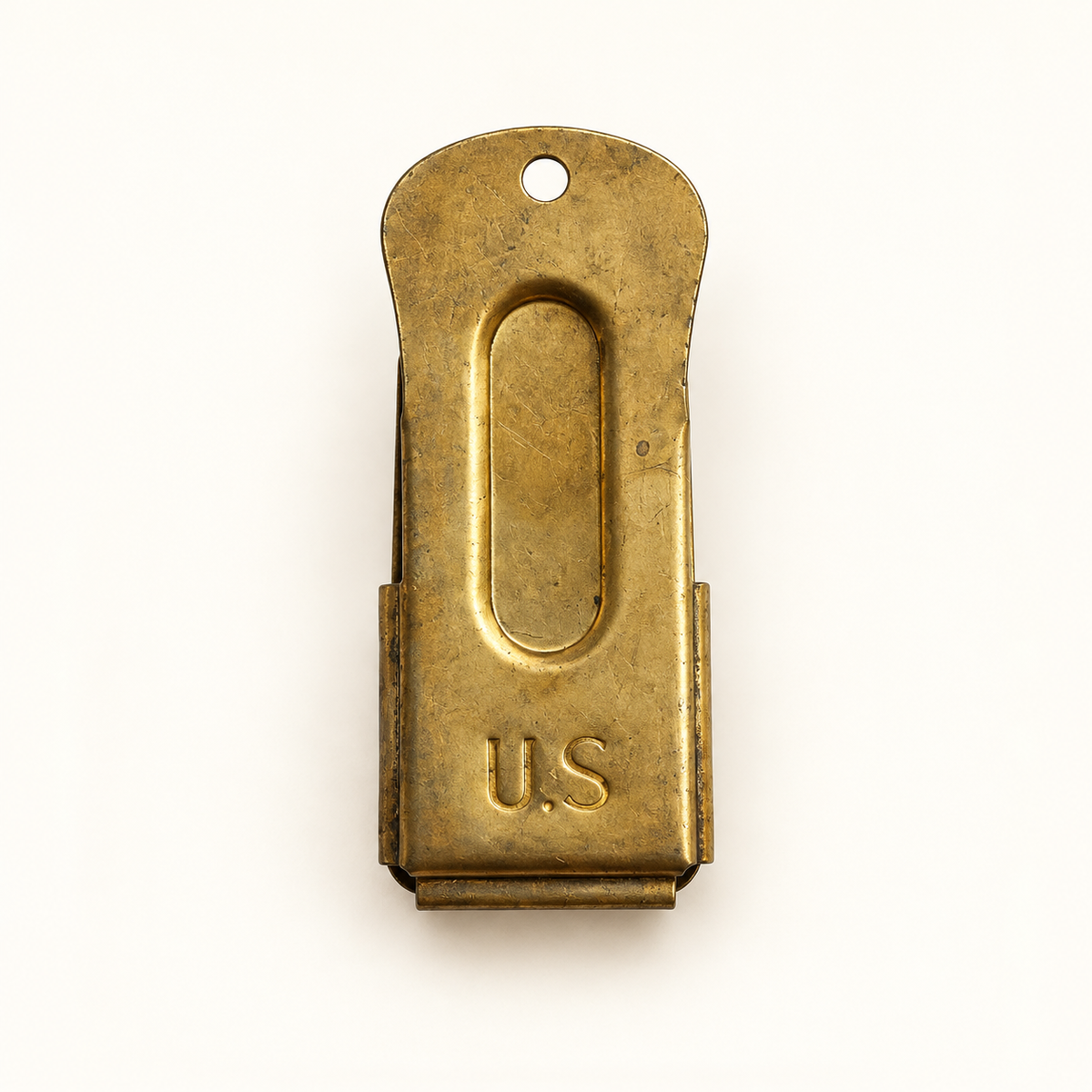
The clicker was a pre-existing commercial design made by J. Hudson & Co.—the Birmingham firm behind ACME whistles. Its spring-steel blade produced a sharp, unmistakable double note when pressed and released.
Couldn't load pickup availability

Discover the compact brass signal associated with the 101st Airborne—and the tense first hours of D-Day.
Shortly after midnight on June 6, 1944, paratroopers of the U.S. 101st Airborne Division descended into occupied Normandy. Darkness, anti-aircraft fire, cloud, and scattered drops left many men far from their planned landing zones.
Among sunken lanes, flooded fields, and dense hedgerows, a voice could reveal a position before it identified a friend. The answer was a tiny mechanical signal that could be worked in one hand.
Simple, immediate, and deliberately short-lived, the cricket became one of the most recognizable small artifacts of the Normandy airborne landings.
The clicker was a pre-existing commercial design made by J. Hudson & Co.—the Birmingham firm behind ACME whistles. Its spring-steel blade produced a sharp, unmistakable double note when pressed and released.
Before Operation Overlord, the 101st Airborne adopted the small device as a close-range recognition signal. It gave scattered paratroopers a way to test an unseen presence without calling out into the night.
The cricket belonged to the opening phase of the invasion. Once units regrouped—and once the signal risked becoming known—spoken challenge-and-password procedures again took precedence.
In the Norman darkness, the cricket reduced recognition to a three-sound exchange that could be completed in seconds.
Press and release the spring-steel blade once to challenge an unseen figure.
Two immediate replies signaled a friendly paratrooper nearby.
Silence—or the wrong response—meant uncertainty remained. The soldier stayed alert.
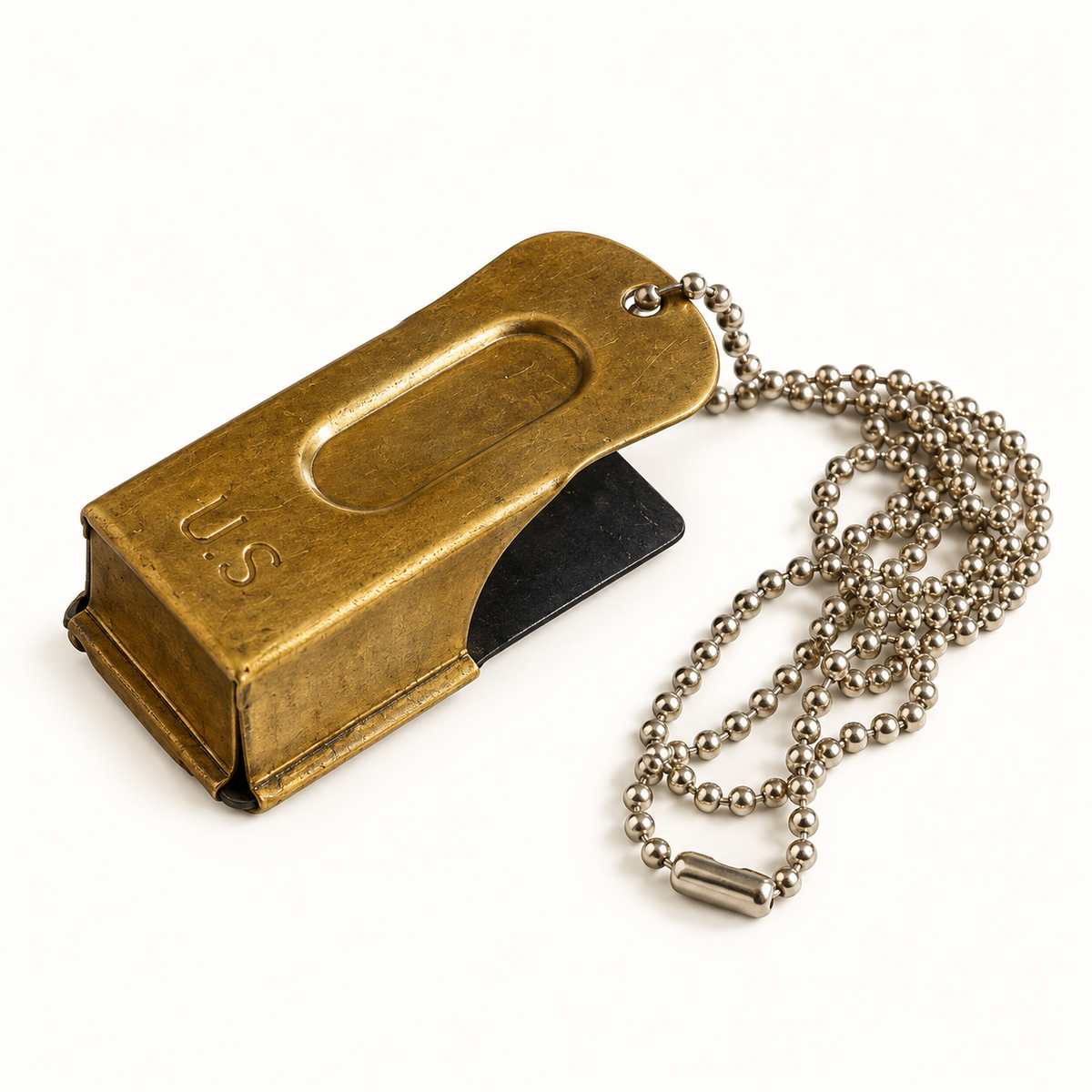
A compact metal body and spring-steel mechanism recall the practical simplicity of the wartime ACME clicker.
Press and release the blade to experience the crisp two-part snap that made the device so effective at close range.
An evocative display piece for WWII collections, living-history kits, classroom storytelling, and military-history enthusiasts.